Tell us about the job
Takes about a minute. No obligation.
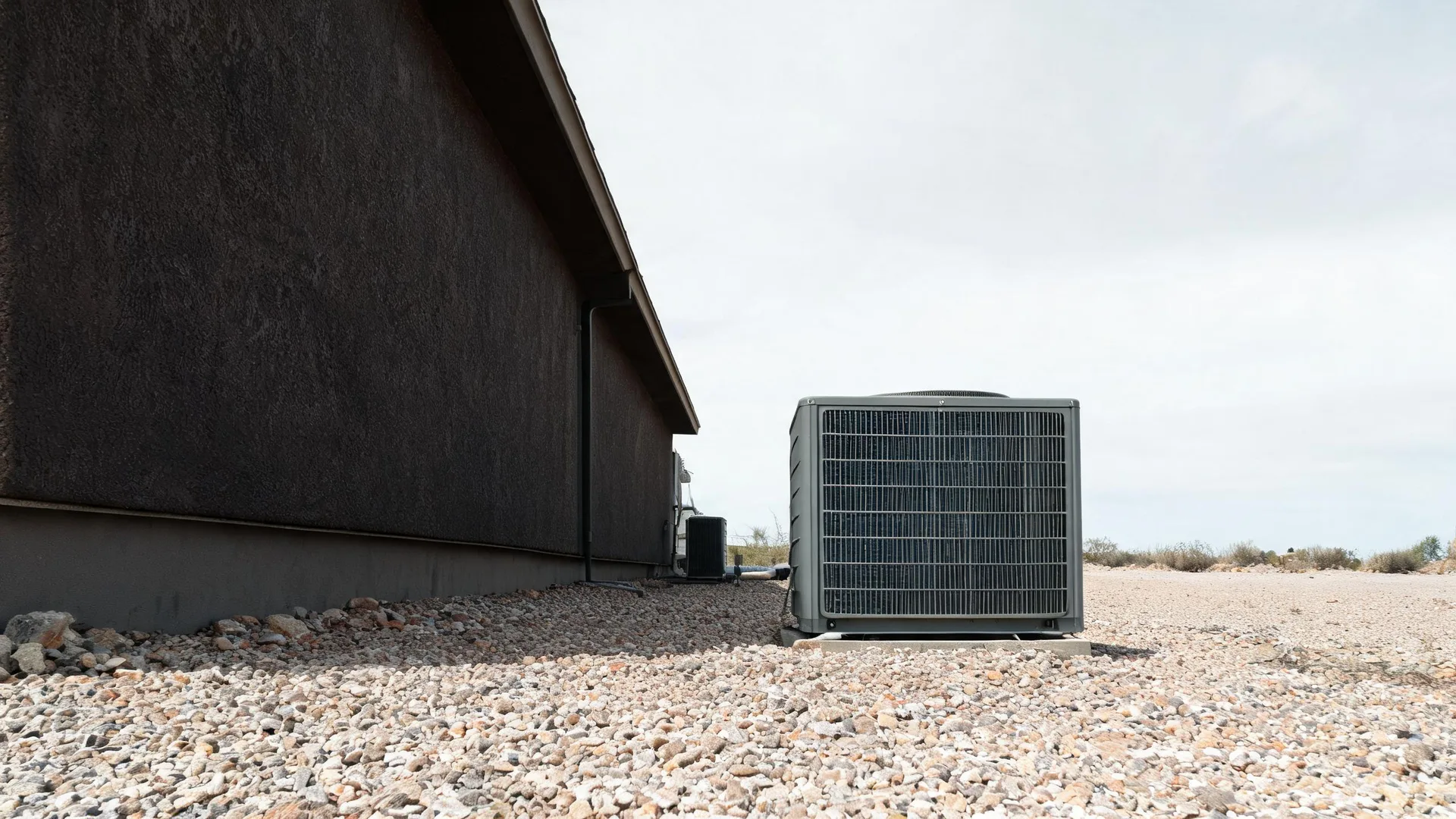
A compressor that starts cold after months of sitting is where a poorly sized or loosely installed central AC system fails first. Homes in Lyon County, NV run cooling about two months a year, from July through August. The contactor, the capacitor, and the condenser fan take their punishment at startup, not during steady running, so a system that rarely gets the chance to run continuously is not being spared wear. A contractor sizing a new system here has to account for that restart load, because undersizing the equipment to save money on the equipment shifts the cost onto those components instead.
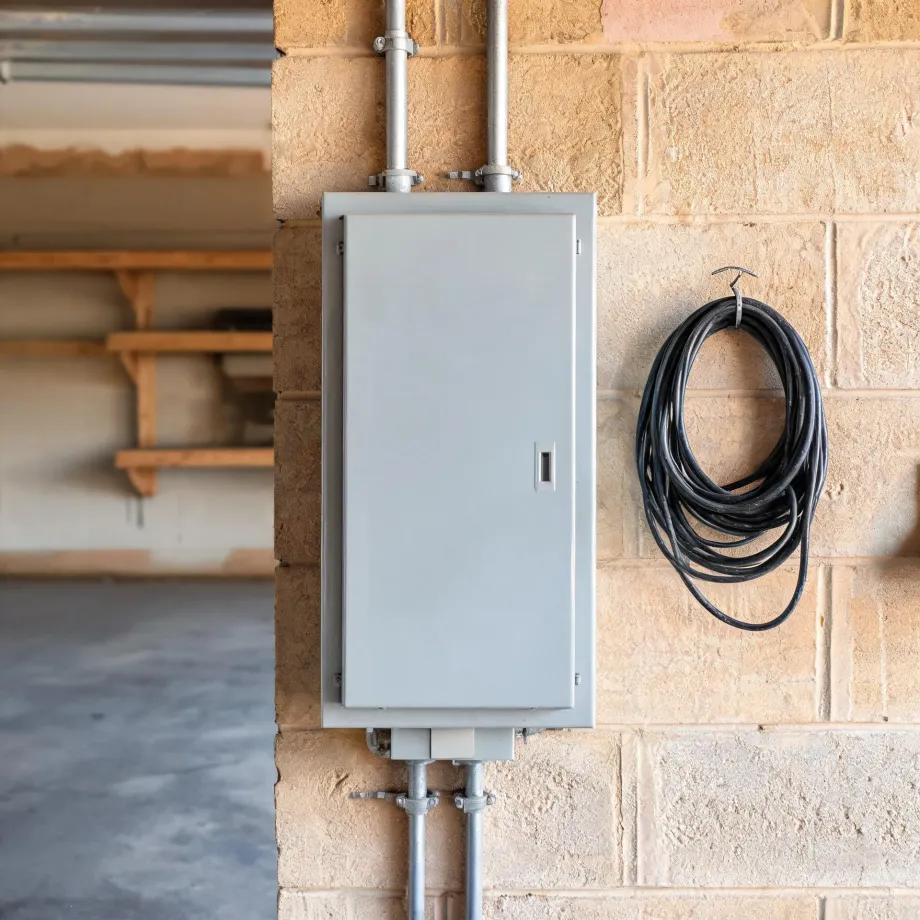
Ductwork and electrical service in a house are the two variables that decide how a central AC installation actually goes, and in Lyon County those variables lean toward straightforward. Half the homes in Lyon County, Nevada were built in 1998 or earlier (2020-2024 ACS 5-year). Stock of this vintage was built after modern forced-air systems became standard practice, so the ducting a contractor finds is sized for the kind of load a new central unit places on it. The electrical service reads similarly. A contractor still opens the chase and checks the panel before anything is priced, but the house itself is rarely where the job gets complicated.
What Gets Installed With a New Central AC
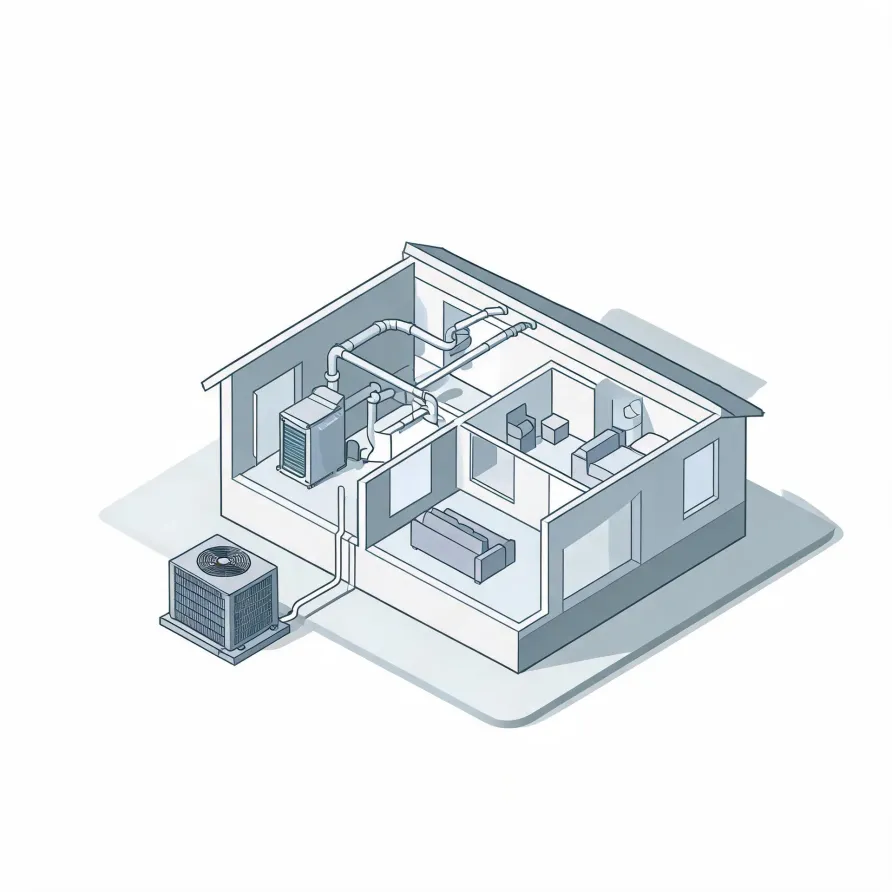
The outdoor condenser unit sits on a pad outside the house and holds the compressor and condenser coil, the mechanical core of the whole system. Inside, the air handler mounts in a utility closet, attic, or basement and circulates air across the evaporator coil, which is housed within or just above it.
The thermostat goes on an interior wall where it reads the temperature of the living space and signals the system to run or stop. A refrigerant line set runs between the outdoor and indoor units, and a condensate drain line carries moisture pulled from the air out of the house.
The drawing shows the general layout of a central AC system, and a licensed contractor determines exactly how each piece fits the configuration of your home.
Get matched in Lyon CountyLyon County, by the numbers
432 severe weather events were recorded in Lyon County, Nevada between 2015 and 2024.
NOAA National Centers for Environmental Information, Storm Events Database, bulk CSV export, events 2015-01-01 through 2024-12-31.Half the homes in Lyon County, Nevada were built in 1998 or earlier (2020-2024 ACS 5-year).
U.S. Census Bureau, 2020-2024 American Community Survey 5-Year EstimatesLyon County, Nevada holds 25,436 housing units (2020-2024 ACS 5-year).
U.S. Census Bureau, 2020-2024 American Community Survey 5-Year EstimatesOwners occupy 76.7% of the occupied homes in Lyon County, Nevada (2020-2024 ACS 5-year).
U.S. Census Bureau, 2020-2024 American Community Survey 5-Year EstimatesCode & Licensing Record for Central AC Installation in Lyon County, Nevada9 sourced rules and standards
What happens once a contractor is on the job
Split-system central air conditioners rated below 45,000 Btu/h manufactured on or after January 1, 2023 must meet a federal minimum of 13.4 SEER2.
Split-system central air conditioners rated at or above 45,000 Btu/h manufactured on or after January 1, 2023 must meet a federal minimum of 13.4 SEER2.
Split-system central air conditioners manufactured between January 1, 2015 and December 31, 2022 had to meet 13 SEER, the metric that preceded SEER2.
Single-package central air conditioners manufactured on or after January 1, 2023 must meet a federal minimum of 13.4 SEER2.
Space-constrained central air conditioners manufactured on or after January 1, 2023 must meet a federal minimum of 11.7 SEER2.
Federal efficiency standards for split-system central air conditioners and heat pumps are set on each certified combination of outdoor unit and indoor coil rather than on the outdoor unit alone.
Residential and light commercial air conditioning and heat pump systems assembled in the field, including mini-splits and unitary systems, may not be installed on or after January 1, 2025 using a refrigerant with a global warming potential above 700.
A field-assembled system whose specified components were all manufactured or imported before January 1, 2025 carries no installation compliance date under the refrigerant restrictions and may still be installed.
Licensing Rules for Lyon County, Nevada
In Nevada refrigeration and air-conditioning work is specialty contracting, and a general building contractor may not perform it without holding the licence for that specialty.
Severe Weather Events in Lyon County
Weather places a measurable load on cooling equipment, and that load is shaped by local conditions. What hits Lyon County drives how hard a central AC system works and how long it lasts, which makes local weather history a useful backdrop for any installation decision.
432 severe weather events, 2015–2024. Source: NOAA National Centers for Environmental Information, Storm Events Database.